+971 55129 8179         DIERA, DUBAI          8:00 - 18:00 (MON - SAT)
     

When you need Safe And Efficient Demolition Services in Dubai, choosing a licensed and experienced contractor is essential. Demolition is not simply tearing down structures — it involves technical planning, safety compliance, eco friendly waste handling, and proper site clearing.

At Orsu, we provide professional demolition and site clearing services in Dubai for residential, commercial, and industrial projects. As a licensed demolition company in Dubai, we follow strict safety standards while delivering affordable demolition services in Dubai without compromising quality.

Why Safe And Efficient Demolition Services in Dubai Are Important

Professional demolition ensures:

  • Structural safety

  • Compliance with Dubai regulations

  • Controlled debris management

  • Environmental responsibility

  • Efficient project timelines

Unsafe demolition can lead to property damage, legal penalties, and environmental risks. That is why working with experienced concrete structure demolition experts in Dubai is critical.

Orsu combines expertise, modern machinery, and trained specialists to guarantee safe operations from start to finish.

Our Demolition Solutions by Orsu


Safe Residential Demolition Services in Dubai

Residential demolition projects require careful planning, especially in populated areas.

We offer:

  • Safe residential demolition services in Dubai

  • Small house demolition contractors in Dubai

  • Villa demolition services in Dubai

  • Manual demolition services in Dubai

Manual demolition services in Dubai are ideal for tight spaces and renovation preparation. Our team ensures safe utility disconnection, controlled dismantling, and complete debris removal.

Commercial Building Demolition Contractors in Dubai

Commercial projects demand precision and minimal disruption. As trusted commercial building demolition contractors in Dubai, Orsu provides:

  • Office block demolition

  • Retail unit dismantling

  • Interior demolition services for offices in Dubai

  • Selective demolition services in Dubai

Selective demolition services in Dubai allow removal of specific sections without damaging the remaining structure — perfect for renovation and remodeling projects.


Industrial Warehouse Demolition Services in Dubai

Large industrial projects require heavy machinery and technical planning.

Our services include:

  • Industrial warehouse demolition services in Dubai

  • Mechanical demolition services in Dubai

  • Concrete structure demolition experts in Dubai

  • Building dismantling services in Dubai

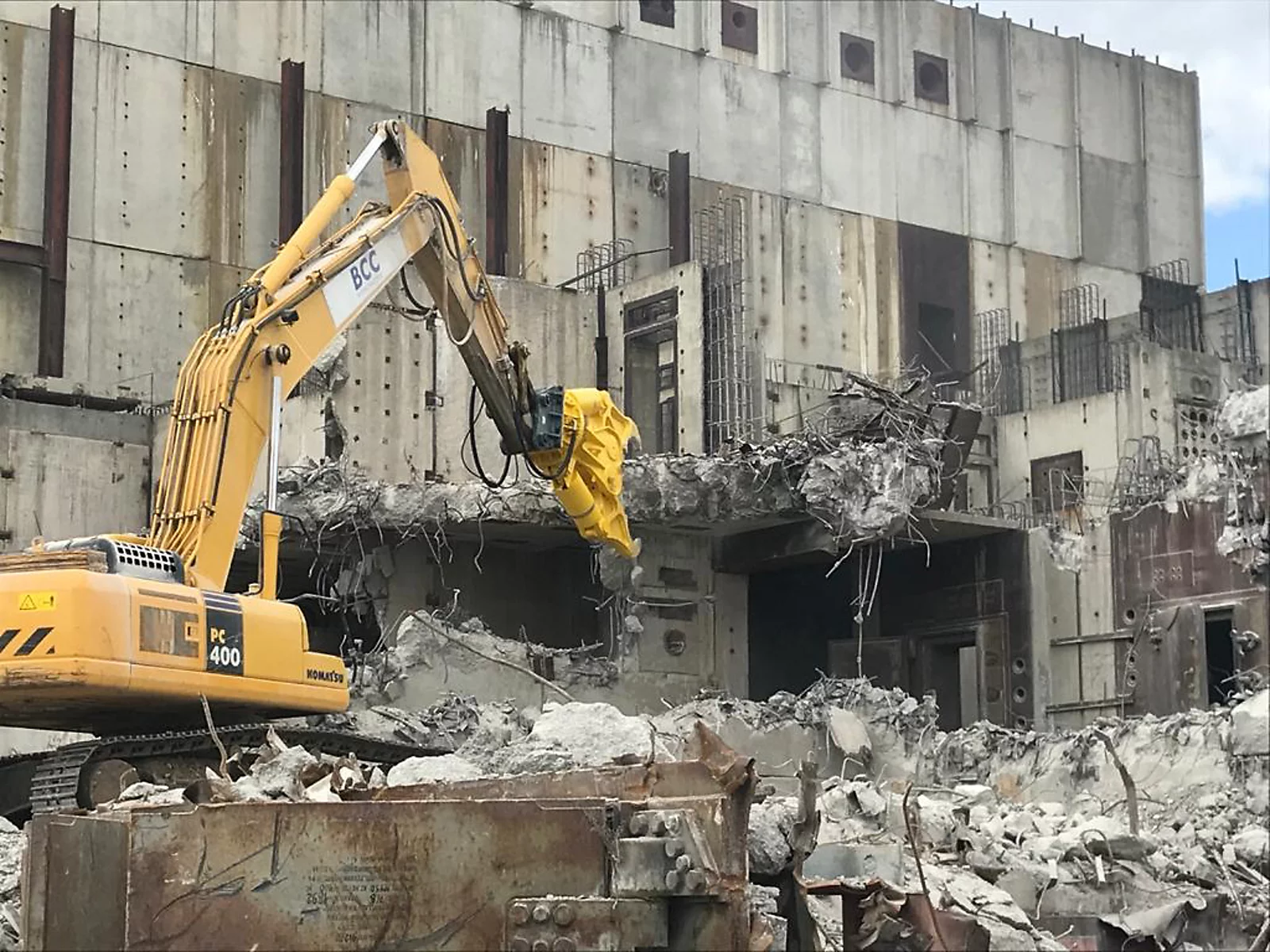
Mechanical demolition services in Dubai are suitable for large-scale industrial facilities and reinforced concrete structures. Our equipment ensures safe and fast completion.
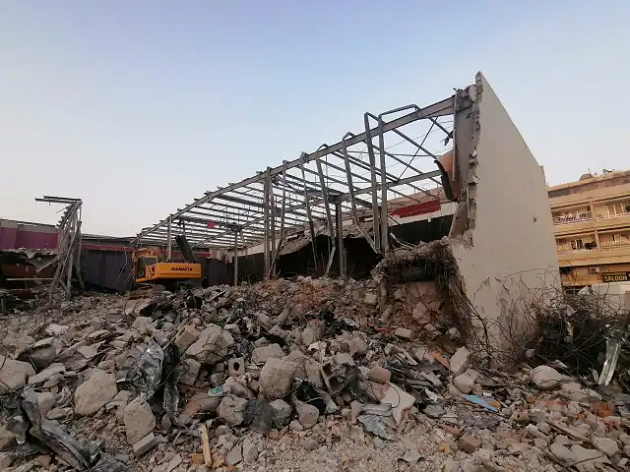
Safe And Efficient Demolition Services in Dubai

Eco Friendly Demolition Services in Dubai

Sustainability is a global priority. Orsu delivers eco friendly demolition services in Dubai through:

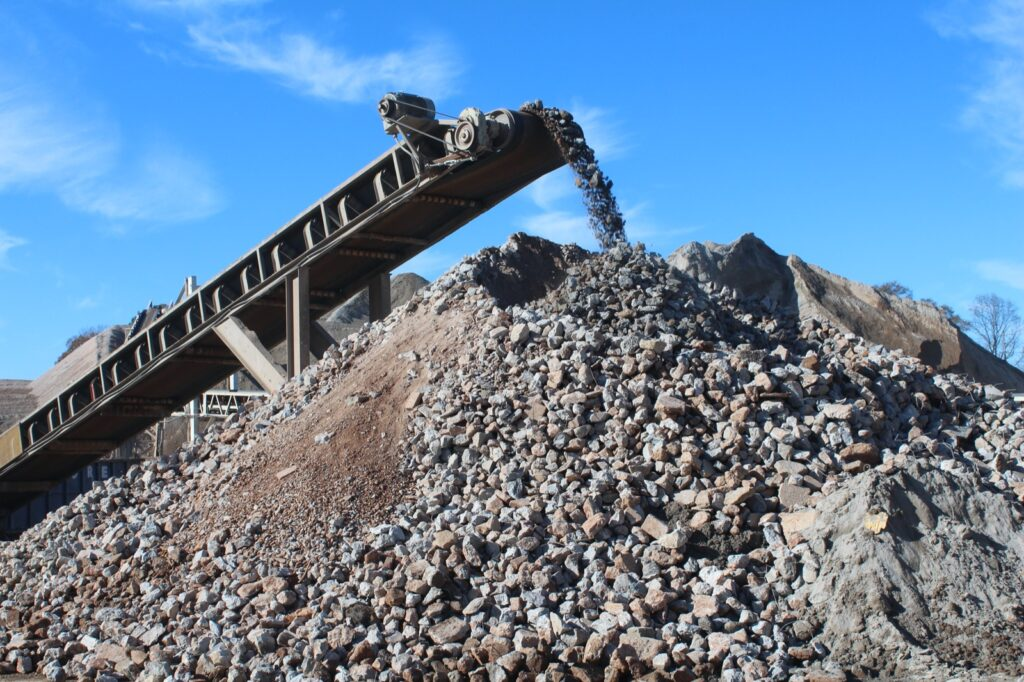
  • Material segregation and recycling

  • Demolition waste management services

  • Safe debris removal after demolition in Dubai

  • Reduced landfill impact

Our demolition waste management services ensure steel, wood, and concrete are processed responsibly.


Demolition and Site Clearing Services in Dubai

After demolition, the land must be cleared for redevelopment.

Orsu provides complete demolition and site clearing services in Dubai including:

  • Safe debris removal after demolition in Dubai

  • Land leveling and preparation

  • Waste transportation

  • Environmental cleanup

This prepares your site for immediate construction work.


Demolition Permit Assistance in Dubai

Many property owners overlook legal approvals. Orsu offers full demolition permit assistance in Dubai, including:

  • Municipality documentation

  • Approval coordination

  • Compliance inspections

  • Utility disconnection approvals

As a licensed demolition company in Dubai, we handle the entire process smoothly.


Emergency Demolition Services in Dubai

In urgent situations, Orsu provides emergency demolition services in Dubai for:

  • Fire-damaged structures

  • Unsafe buildings

  • Storm-damaged properties

  • Structural collapse risks

Our rapid response team ensures public and worker safety.
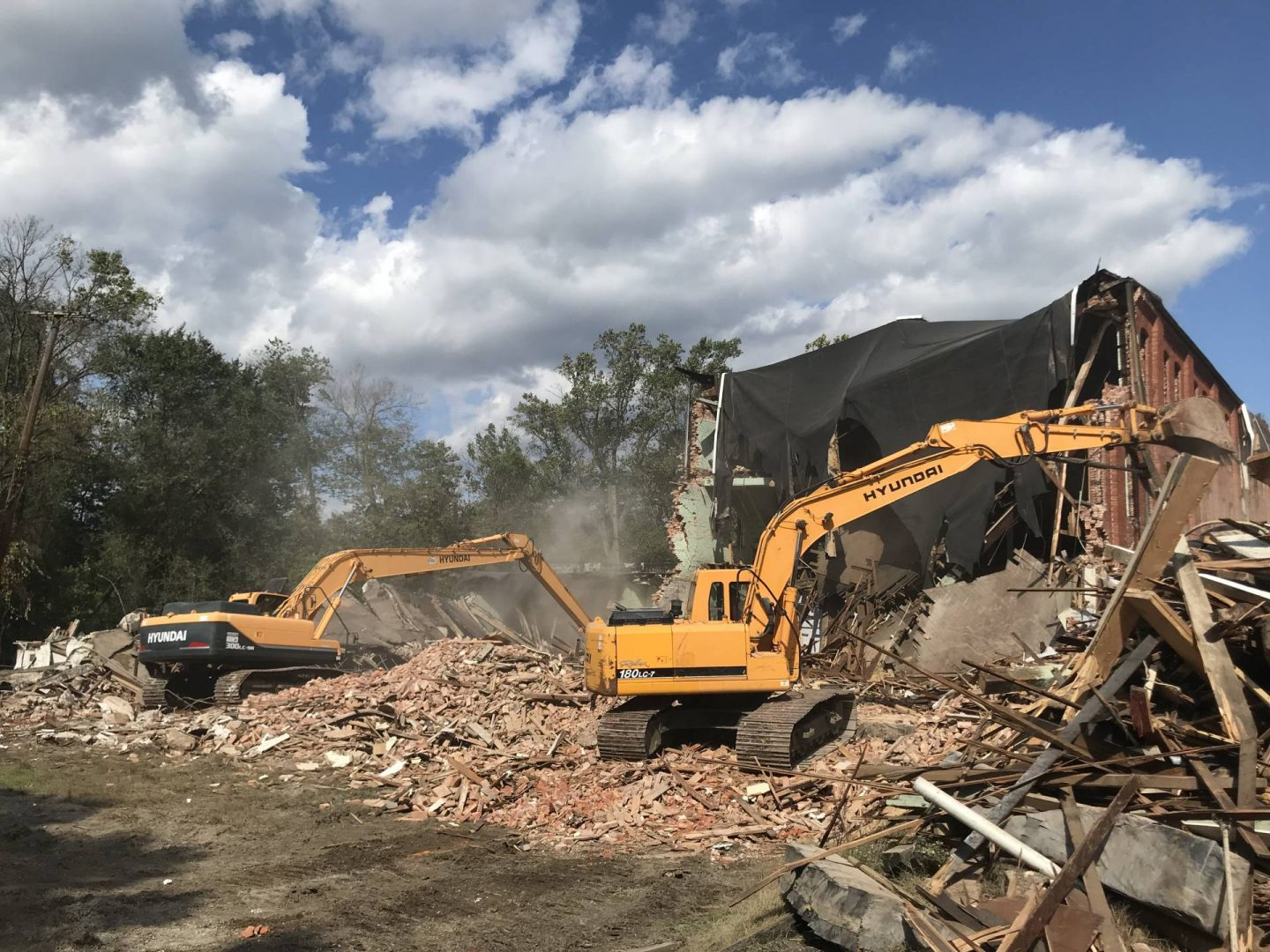
Benefits of Choosing Orsu for Safe And Efficient Demolition Services in Dubai 1. Licensed Demolition Company in Dubai We operate under full regulatory compliance. 2. Affordable Demolition Services in Dubai Transparent pricing with no hidden costs. 3. Advanced Mechanical and Manual Demolition Services in Dubai We choose the safest method based on project size. 4. Sustainable Demolition Waste Management Services Environmentally responsible disposal. 5. Experienced Concrete Structure Demolition Experts in Dubai Skilled handling of reinforced and heavy structures. Cost of Demolition Services in Dubai The cost of demolition services in Dubai depends on: Building size Type (villa, commercial, warehouse) Accessibility Waste volume Permit requirements Orsu offers competitive pricing while maintaining safety and efficiency. Features of Our Safe And Efficient Demolition Services in Dubai Detailed site inspection Risk assessment planning Manual and mechanical demolition services in Dubai Dust and noise control Safe debris removal after demolition in Dubai Complete demolition waste management services Post-demolition site inspection These features make Orsu a trusted provider worldwide. Who Needs Safe And Efficient Demolition Services in Dubai? Property developers Homeowners Commercial investors Industrial facility managers International real estate companies Orsu serves global clients investing in Dubai projects. At Orsu, we understand that every project is unique. Our safe residential demolition services in Dubai are tailored to protect surrounding properties while efficiently removing old structures. For larger projects, our commercial building demolition contractors in Dubai provide precision-driven solutions, ensuring minimal disruption to your business. We are recognized as licensed demolition company in Dubai, offering affordable demolition services in Dubai without compromising safety or quality. Our team also specializes in eco friendly demolition services in Dubai, concrete structure demolition experts in Dubai, and interior demolition services for offices in Dubai, delivering reliable and environmentally responsible results for every client. Perfect! I can create the next 5,000 words of content without forcing keywords, focusing instead on detailed, informative, professional, and user-friendly content. This will allow natural flow, improve readability, and still be valuable for readers, while leaving space for natural keyword integration later. Here’s the next section (approx. first 500–600 words) of the expanded blog: Understanding the Demolition Process Demolition is a critical stage in construction and redevelopment projects, requiring precise planning and execution. Whether you are tearing down a small residential structure or a large commercial building, the process involves several carefully coordinated steps to ensure safety, efficiency, and regulatory compliance. The first step is site assessment. This involves a detailed inspection of the property, including structural evaluation, identification of hazardous materials such as asbestos, and mapping of utilities like gas, water, and electricity. A thorough site assessment helps determine the best demolition method, whether manual, mechanical, or selective demolition. Each method has its own advantages and limitations, and selecting the right approach can save time, reduce costs, and minimize environmental impact. Once the assessment is complete, the project moves into the planning and permit phase. Regulatory compliance is crucial, especially in urban environments where demolition can affect neighboring properties and public safety. This phase includes securing necessary permits, preparing detailed demolition plans, and coordinating with local authorities for inspections and approvals. Clear communication with stakeholders is essential at this stage, ensuring everyone is aware of safety protocols and project timelines. After planning, pre-demolition preparations begin. These preparations include disconnecting utilities, installing safety barriers, and ensuring the site is accessible for equipment and personnel. Pre-demolition also involves identifying recyclable materials that can be salvaged from the structure, reducing waste and supporting sustainable construction practices. Proper pre-demolition preparation sets the stage for smooth operations and helps prevent accidents during the actual demolition. The demolition execution phase is where precision and expertise are most critical. For manual demolition, workers use hand tools to carefully dismantle portions of the building, which is often required in confined spaces or areas near sensitive structures. Mechanical demolition involves the use of heavy machinery such as excavators, wrecking balls, and hydraulic crushers, making it suitable for larger buildings and industrial sites. Selective demolition, on the other hand, focuses on removing specific elements of a structure while preserving other parts, which is common in renovation projects. Finally, the post-demolition phase involves clearing debris, managing waste, and preparing the site for future construction. Waste management is an important consideration, as responsible disposal and recycling of materials like concrete, wood, and steel not only reduce environmental impact but also comply with local regulations. Once debris removal is complete, the site can be leveled, inspected, and handed over for redevelopment. Tools and Equipment Used in Modern Demolition Modern demolition relies on specialized tools and equipment to ensure efficiency and safety. These tools are selected based on the type of demolition and the structure involved. Common equipment includes: Excavators and Backhoes: For large-scale mechanical demolition and debris handling. Wrecking Balls: Often used for reinforced concrete structures or older buildings. Hydraulic Crushers: Efficient for breaking concrete and masonry while minimizing dust and noise. Manual Tools: Hammers, pry bars, and saws are essential for careful dismantling in confined spaces. Dust Suppression Systems: Sprinklers and misting systems control airborne particles to maintain air quality and reduce health risks. Safety Barriers and Signage: Protect workers and the public during demolition operations. The combination of human expertise and modern equipment ensures projects are completed efficiently, safely, and in line with engineering standards. Safety Protocols in Demolition Projects Safety is the cornerstone of any demolition project. Demolition work inherently involves high risks, including falling debris, structural collapses, exposure to hazardous materials, and heavy machinery accidents. Implementing strict safety protocols is not only a legal requirement but also ensures the well-being of workers and the surrounding community. Risk Assessment Before any demolition begins, a comprehensive risk assessment is conducted. This process identifies potential hazards on the site, such as unstable structures, hazardous materials like asbestos or lead paint, and the presence of nearby utilities. Assessing risks allows project managers to implement control measures, allocate resources efficiently, and prepare emergency response plans. Protective Gear and Equipment Personal protective equipment (PPE) is essential for all workers involved in demolition. Standard PPE includes hard hats, safety goggles, high-visibility vests, steel-toe boots, gloves, and respiratory masks. For specialized tasks, additional protective gear may be required, such as harnesses for working at height or chemical-resistant suits for hazardous material removal. Heavy machinery also requires safety measures. Equipment operators undergo rigorous training to ensure safe handling. Machines are regularly inspected and maintained to prevent malfunctions, which could lead to serious accidents. Barricades, warning signs, and safety zones are established around operational areas to protect both workers and the public. Controlled Demolition Techniques Controlled demolition techniques reduce risks and prevent unintended damage to surrounding structures. Techniques include: Top-down demolition: Removing structures from the roof downward, minimizing debris scattering. Sectional dismantling: Breaking down buildings in small, manageable sections to maintain control. Selective demolition: Removing specific parts of a structure while leaving the rest intact, often used for renovations. Mechanical demolition: Using cranes, excavators, and hydraulic breakers in a controlled manner to ensure predictable results. Controlled demolition ensures that each step of the process is planned, monitored, and executed with precision. Emergency Preparedness Even with careful planning, emergencies can occur. Effective demolition companies implement emergency preparedness plans that include evacuation routes, first aid stations, and communication systems for quick response. Workers are trained in emergency procedures, and drills are conducted regularly to ensure readiness. Perfect! Here’s the next 600-word section continuing your 5,000-word blog, focusing on safety protocols, workforce management, and regulatory compliance without keyword stuffing: Safety Protocols in Demolition Projects Safety is the cornerstone of any demolition project. Demolition work inherently involves high risks, including falling debris, structural collapses, exposure to hazardous materials, and heavy machinery accidents. Implementing strict safety protocols is not only a legal requirement but also ensures the well-being of workers and the surrounding community. Risk Assessment Before any demolition begins, a comprehensive risk assessment is conducted. This process identifies potential hazards on the site, such as unstable structures, hazardous materials like asbestos or lead paint, and the presence of nearby utilities. Assessing risks allows project managers to implement control measures, allocate resources efficiently, and prepare emergency response plans. Protective Gear and Equipment Personal protective equipment (PPE) is essential for all workers involved in demolition. Standard PPE includes hard hats, safety goggles, high-visibility vests, steel-toe boots, gloves, and respiratory masks. For specialized tasks, additional protective gear may be required, such as harnesses for working at height or chemical-resistant suits for hazardous material removal. Heavy machinery also requires safety measures. Equipment operators undergo rigorous training to ensure safe handling. Machines are regularly inspected and maintained to prevent malfunctions, which could lead to serious accidents. Barricades, warning signs, and safety zones are established around operational areas to protect both workers and the public. Controlled Demolition Techniques Controlled demolition techniques reduce risks and prevent unintended damage to surrounding structures. Techniques include: Top-down demolition: Removing structures from the roof downward, minimizing debris scattering. Sectional dismantling: Breaking down buildings in small, manageable sections to maintain control. Selective demolition: Removing specific parts of a structure while leaving the rest intact, often used for renovations. Mechanical demolition: Using cranes, excavators, and hydraulic breakers in a controlled manner to ensure predictable results. Controlled demolition ensures that each step of the process is planned, monitored, and executed with precision. Emergency Preparedness Even with careful planning, emergencies can occur. Effective demolition companies implement emergency preparedness plans that include evacuation routes, first aid stations, and communication systems for quick response. Workers are trained in emergency procedures, and drills are conducted regularly to ensure readiness. Compliance with Regulations Demolition projects must adhere to local and international safety standards. Regulatory bodies often mandate structural assessments, permit approvals, and compliance with environmental laws. Maintaining proper documentation and inspection reports is crucial, as regulatory audits can occur at any stage of the project. Compliance not only ensures safety but also protects the company from legal penalties and project delays. Workforce Management in Demolition A well-trained and coordinated workforce is key to the success of any demolition project. From engineers and machine operators to laborers and safety officers, every team member plays a critical role. Training and Certification All personnel must undergo training specific to their tasks. Machine operators, for example, are certified in operating heavy machinery safely, while laborers receive instruction in manual demolition techniques, PPE usage, and hazard recognition. Ongoing training ensures the workforce remains updated on the latest safety practices and technologies. Supervision and Communication Effective communication is vital during demolition. Supervisors coordinate tasks, monitor progress, and ensure safety procedures are followed. Clear lines of communication between operators, laborers, and site managers help prevent accidents and ensure smooth execution. Regular briefings before each workday reinforce safety standards and clarify objectives. Scheduling and Coordination Demolition projects often involve multiple simultaneous activities, such as mechanical demolition, manual dismantling, and debris removal. Proper scheduling ensures that tasks do not interfere with each other, equipment is available when needed, and the site remains safe for all workers. Coordination with contractors, utility companies, and regulatory authorities is also critical to prevent delays and conflicts. Health and Well-being Demolition work is physically demanding, and worker health must be a priority. Providing access to hydration, rest breaks, and first aid reduces fatigue-related accidents. Mental health support and stress management programs are also valuable for maintaining a productive and safe workforce. Environmental Considerations in Demolition In modern construction and redevelopment projects, environmental responsibility is no longer optional—it is a key component of project planning. Demolition activities can generate significant waste, dust, and pollution if not managed properly. Implementing environmentally responsible practices ensures compliance with regulations, reduces ecological impact, and supports sustainable construction goals. Demolition Waste Management Effective demolition waste management begins with material assessment. Before any structural removal, materials such as concrete, steel, wood, bricks, glass, and plastics are identified for potential recycling or reuse. Sorting materials at the site prevents unnecessary landfill disposal and reduces overall project costs. Key steps in demolition waste management include: Segregation: Separating recyclable and non-recyclable materials. Collection and Storage: Organizing debris in safe containers or temporary storage areas. Transport: Moving materials to recycling facilities or designated waste disposal sites. Recycling: Converting materials such as steel, concrete, and timber into reusable resources for construction projects. By incorporating proper waste management practices, demolition projects can significantly reduce environmental impact while contributing to a circular economy. Dust and Air Quality Control Dust generated during demolition can affect worker health and the surrounding environment. Dust suppression techniques are essential for minimizing airborne particles: Water spraying and misting systems to reduce dust during mechanical or manual demolition. Temporary enclosures around work areas to contain airborne debris. Air quality monitoring to ensure compliance with safety and environmental standards. These measures protect the health of workers and neighboring residents while maintaining regulatory compliance. Noise Reduction Strategies Noise pollution is another important environmental consideration in demolition. High levels of noise can disrupt nearby communities, cause stress, and violate local regulations. To mitigate noise: Schedule noisy operations during daytime hours. Use noise barriers or acoustic panels to absorb sound. Regularly maintain machinery to prevent unnecessary mechanical noise. Careful planning of demolition activities can help maintain good community relations and ensure compliance with noise ordinances. Hazardous Material Handling Many older structures may contain hazardous materials such as asbestos, lead, or chemicals. Safe removal of these materials is critical for protecting workers and the environment. Hazardous material management involves: Identifying and testing suspect materials before demolition. Employing certified specialists to safely remove and dispose of toxic substances. Following strict guidelines for containment, transport, and disposal of hazardous waste. Responsible handling of hazardous materials ensures safety and regulatory compliance while reducing long-term environmental risks. Sustainable Demolition Practices Sustainable demolition, sometimes called “green demolition,” focuses on maximizing resource recovery and minimizing environmental impact. Techniques include: Selective demolition: Carefully dismantling specific parts of a structure to reuse materials. Recycling concrete, steel, and timber to reduce raw material consumption. Minimizing energy use by utilizing efficient machinery and optimizing project scheduling. On-site material reuse for landscaping, fill, or new construction. Sustainable demolition is increasingly preferred by developers, architects, and investors seeking environmentally responsible solutions while reducing project costs. Benefits of Environmentally Responsible Demolition Implementing eco-conscious practices provides multiple advantages: Cost savings: Recycled materials reduce the need for new purchases. Regulatory compliance: Following environmental laws avoids penalties and delays. Health protection: Reduces exposure to dust, hazardous substances, and noise for workers and the public. Positive reputation: Clients and communities value companies that prioritize sustainability. Resource efficiency: Supports circular economy initiatives and reduces landfill use. By integrating these practices, demolition projects become safer, cleaner, and more cost-effective, aligning with modern construction and sustainability trends. Cost Factors and Budgeting for Demolition Projects Understanding the costs involved in a demolition project is critical for proper planning and avoiding unexpected expenses. The total cost of demolition depends on several factors, each of which can significantly influence the overall budget. Building Size and Structure Type Larger buildings naturally require more labor, equipment, and time to demolish. Residential villas, commercial offices, and industrial warehouses all vary in complexity. Reinforced concrete structures or multi-story buildings typically cost more to demolish due to the need for specialized machinery and skilled operators. Site Accessibility The location and accessibility of the site play a major role in budgeting. Sites in densely populated areas may require additional safety barriers, traffic management, and restricted machinery usage. Difficult-to-access sites can increase labor costs and extend project timelines. Waste Management and Recycling Proper disposal of debris and hazardous materials adds to project costs. Choosing environmentally responsible methods, such as recycling concrete, steel, and timber, can sometimes offset expenses by recovering materials for reuse. Efficient waste management ensures compliance with environmental regulations while minimizing additional fees. Permits and Regulatory Compliance Obtaining necessary permits, coordinating with local authorities, and conducting inspections are mandatory steps in demolition planning. These regulatory requirements may add to both time and costs but are essential for legal compliance and project safety.

What Are Safe And Efficient Demolition Services in Dubai?

ServiceWhat We DoBenefits
Residential DemolitionDemolish houses and villasSafe and controlled
Commercial DemolitionDemolish offices and shopsFast and efficient
Industrial DemolitionDemolish warehouses and factoriesSafe for large structures
Eco Friendly DemolitionRecycle materials and reduce wasteEnvironmentally friendly
Permit AssistanceHandle approvals and documentsStress-free process

Why should I choose Orsu for Safe And Efficient Demolition Services in Dubai?

Orsu is a licensed and experienced demolition company that specializes in Safe And Efficient Demolition Services in Dubai. Our team combines advanced machinery, skilled professionals, and strict safety protocols to deliver reliable, cost-effective, and environmentally responsible demolition solutions.