+971 55129 8179         DIERA, DUBAI          8:00 - 18:00 (MON - SAT)
     
Asbestos removal sevices UAE

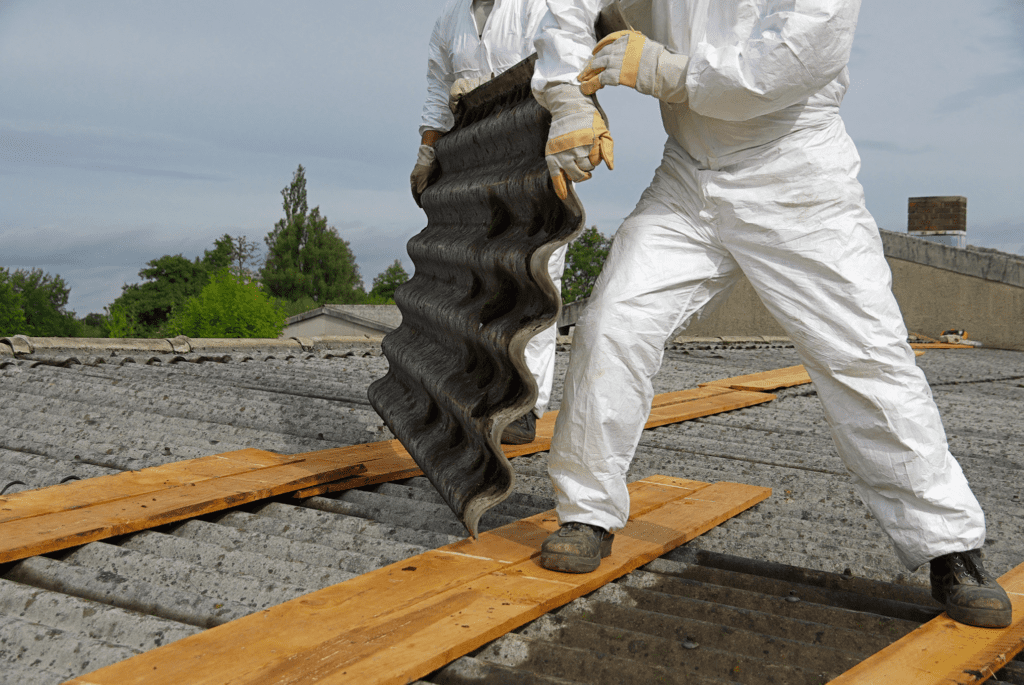
Asbestos removal sevices UAE are essential for protecting health, safety, and property in older residential, commercial, and industrial buildings. Asbestos materials can release hazardous fibers when disturbed, making professional removal critical. At Orsu, we provide licensed, fully compliant, and affordable asbestos removal services across the UAE, ensuring safety, legal compliance, and peace of mind.

Asbestos Removal Sevices UAE: Why Professional Services Matter

Benefits of Professional Asbestos Removal

Hiring experts like Orsu for asbestos removal offers multiple benefits:

  • Protects occupants from toxic exposure

  • Ensures compliance with asbestos removal regulations UAE

  • Prevents environmental contamination

  • Reduces legal and financial risks

  • Safe disposal of asbestos waste

Professional services also minimize business downtime and property damage.

Why Asbestos Removal Is Important in the UAE

Health & Safety Regulations

The UAE has strict environmental and occupational safety laws. Improper asbestos handling can result in heavy penalties and health risks.

Hot Climate Impact

Extreme heat can weaken old asbestos materials, increasing fiber release risks.

Property Renovation & Demolition

Asbestos removal is mandatory before renovation or demolition of older structures.

Legal Compliance

Licensed asbestos removal in UAE ensures compliance with local authorities and municipality requirements.

Asbestos Removal Process Step by Step UAE

1. Asbestos Inspection & Assessment

Certified inspectors identify asbestos-containing materials and assess their condition.

2. Risk Evaluation

We evaluate exposure risks based on material type, location, and condition.

3. Work Area Preparation

The area is sealed to prevent fiber spread using containment systems.

4. Safe Asbestos Removal Methods UAE

Trained technicians use approved removal techniques and safety equipment.

5. Asbestos Removal and Disposal UAE

Waste is sealed, labeled, and disposed of at approved UAE facilities.

6. Final Clearance Inspection

Air quality testing ensures the area is safe for reoccupation.

Residential Asbestos Removal UAE

Homeowners often encounter asbestos during renovations. Asbestos removal for homeowners UAE is essential for:

  • Old villas and apartments

  • Roofing and ceiling replacements

  • Bathroom or kitchen renovations

DIY asbestos removal risks UAE are extremely high. Without proper equipment and training, exposure can be life-threatening.

Industrial Asbestos Removal UAE

Industrial sites often contain asbestos in:

  • Factories

  • Warehouses

  • Power plants

  • Oil & gas facilities

Industrial asbestos removal UAE requires specialized equipment, trained teams, and strict adherence to safety guidelines. Orsu has the experience to manage complex industrial projects safely.

Emergency Asbestos Removal UAE

Unexpected asbestos exposure due to damage, fire, or renovation requires immediate action. Emergency asbestos removal UAE services by Orsu ensure:

  • Rapid response

  • Area containment

  • Safe removal and disposal

  • Compliance with UAE safety authorities

Asbestos Removal Cost UAE – What to Expect

Asbestos removal cost UAE depends on several factors:

  • Size of the affected area

  • Type of asbestos material

  • Location and accessibility

  • Level of contamination

  • Disposal requirements

Orsu provides transparent and affordable asbestos removal services UAE, with no hidden charges.


Asbestos Removal Safety Equipment UAE

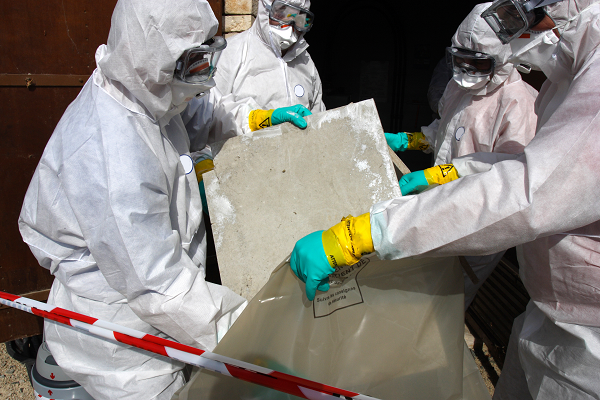
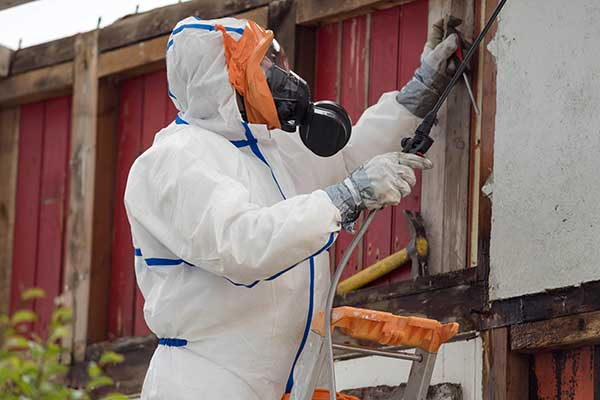
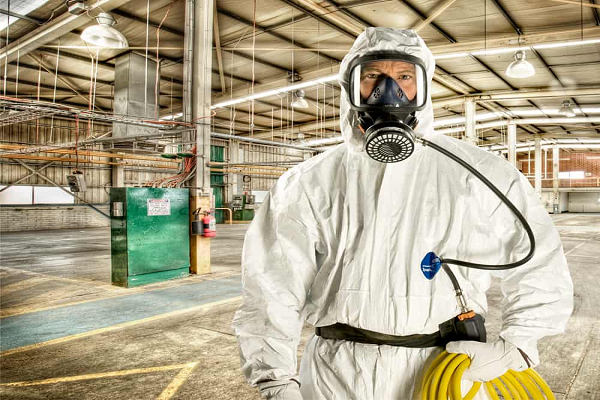
Professional asbestos removal requires specialized safety equipment, including:

  • Protective respirators

  • Disposable coveralls

  • HEPA filtration systems

  • Negative air pressure units

Using proper asbestos removal safety equipment UAE is mandatory to protect workers and occupants.


Asbestos Removal Regulations & Guidelines UAE

UAE authorities enforce strict asbestos removal guidelines UAE, including:

  • Only licensed asbestos removal UAE contractors allowed

  • Mandatory risk assessment

  • Approved disposal methods

  • Worker training and certification

Orsu fully complies with all local and international standards.


Asbestos Removal Training Courses UAE

Proper training is essential for safe handling. Asbestos removal training courses UAE ensure technicians understand risks, safety procedures, and legal requirements. Orsu employs only trained and certified professionals.


Asbestos Removal Checklist UAE

Before starting any project:

  • Confirm asbestos presence

  • Hire licensed professionals

  • Secure permits if required

  • Prepare containment areas

  • Arrange proper disposal

This checklist helps avoid costly and dangerous mistakes.


Why Choose Orsu for Asbestos Removal in UAE?

Key Features

  • Licensed and certified asbestos removal experts

  • Residential & industrial services

  • Emergency response availability

  • Affordable pricing

  • Full regulatory compliance

Our Commitment

Orsu prioritizes safety, transparency, and customer satisfaction. Our asbestos removal services near me UAE ensure fast and reliable support wherever you are.


Products & Solutions Used by Orsu

  • Advanced containment systems

  • HEPA-grade air filtration units

  • Certified protective equipment

  • Approved asbestos waste containers

These tools ensure efficient and safe asbestos removal in UAE.

Orsu Demolition Contractor is dedicated to providing safe and effective asbestos removal services in Dubai. Through the utilization of the latest technology, we ensure the highest level of precision, efficiency, and safety in every asbestos removal project we undertake. Our advanced asbestos detection technology, specialized containment systems, safe removal techniques, air quality monitoring, and proper waste management practices demonstrate our commitment to protecting the health and well-being of our clients, workers, and the environment. Choose Orsu Demolition Contractor for safe and compliant asbestos removal solutions that utilize the latest technology for superior results.
 

asbestos removal
asbestos removal
asbestos removal

In-Depth Guide to Asbestos Removal Sevices UAE Asbestos Removal Sevices UAE: Understanding the Full Scope of Work Asbestos removal sevices UAE cover much more than simply removing old materials from a building. The process involves professional inspection, risk assessment, controlled removal, secure disposal, and final clearance testing. In the UAE, these services must comply with strict environmental and occupational safety laws to protect residents, workers, and the environment. At Orsu, asbestos removal is approached as a complete safety solution rather than a basic demolition task. Each project is handled with care, precision, and legal compliance. Why Asbestos Removal Sevices UAE Are Essential for Public Health Asbestos fibers are invisible to the naked eye but extremely harmful when inhaled. Long-term exposure can cause severe respiratory diseases that may appear years later. This makes asbestos removal sevices UAE a public health necessity rather than an optional service. Health Risks Linked to Asbestos Exposure Chronic lung diseases Asbestosis Lung cancer Mesothelioma Professional asbestos removal services near me UAE ensure these risks are eliminated before they become life-threatening. Asbestos Removal Sevices UAE for Older Buildings Many buildings constructed before modern safety regulations still contain asbestos. These include: Residential villas Apartment complexes Schools and hospitals Commercial offices Industrial warehouses Asbestos removal sevices UAE are particularly important during renovations or structural upgrades. Disturbing asbestos materials without proper control can release dangerous fibers into the air. Licensed Asbestos Removal Sevices UAE – Legal Requirements UAE Regulations You Must Follow Only licensed asbestos removal UAE providers are legally permitted to handle asbestos materials. These regulations exist to ensure: Trained personnel handle asbestos Approved safety equipment is used Waste is disposed of correctly Environmental contamination is prevented Hiring unlicensed contractors can result in fines, project shutdowns, and serious health risks. Asbestos Removal Sevices UAE: Residential Applications Asbestos Removal for Homeowners UAE Homeowners may encounter asbestos in roofing sheets, ceiling tiles, water tanks, or wall panels. Asbestos removal sevices UAE for residential properties focus on minimizing disruption while ensuring complete safety. Key Residential Benefits: Safe family environment Increased property value Legal compliance Peace of mind DIY asbestos removal risks UAE are extremely high and strongly discouraged. Asbestos Removal Sevices UAE for Commercial Properties Commercial buildings often face higher exposure risks due to larger spaces and higher foot traffic. Asbestos removal sevices UAE help business owners: Meet workplace safety standards Protect employees and customers Avoid legal penalties Maintain operational continuity Orsu provides scheduled and emergency asbestos removal UAE services for offices, malls, and public facilities. Industrial Asbestos Removal Sevices UAE Industrial asbestos removal UAE requires advanced planning and specialized equipment. Common industrial asbestos locations include: Insulation systems Boilers and furnaces Pipelines Factory roofing Challenges in Industrial Asbestos Removal Large-scale containment Continuous operations Heavy machinery exposure Strict safety audits Orsu’s industrial asbestos removal sevices UAE are designed to meet these challenges safely and efficiently. Emergency Asbestos Removal Sevices UAE Unexpected asbestos exposure can occur due to fire damage, storms, or accidental structural damage. Emergency asbestos removal UAE ensures: Immediate containment Rapid risk control Protection of occupants Compliance with authorities Quick response can prevent long-term health consequences and costly shutdowns. Asbestos Removal Sevices UAE: Step-by-Step Breakdown 1. Initial Inspection Certified inspectors identify asbestos-containing materials. 2. Risk Assessment Exposure levels and removal urgency are evaluated. 3. Planning & Permits Removal plans comply with asbestos removal regulations UAE. 4. Area Containment Sealed zones prevent fiber spread. 5. Safe Removal Approved safe asbestos removal methods UAE are used. 6. Disposal Asbestos removal and disposal UAE follow legal guidelines. 7. Clearance Testing Final inspection confirms the site is safe. Asbestos Removal Sevices UAE: Safety Equipment and Technology Professional asbestos removal safety equipment UAE includes: Full-face respirators HEPA air filtration units Protective suits Negative pressure systems These tools are essential for ensuring zero contamination during removal. Asbestos Removal Sevices UAE Cost Factors Explained What Affects Pricing? Size of the affected area Type of asbestos material Accessibility Urgency (emergency services cost more) Disposal requirements Orsu offers affordable asbestos removal services UAE without compromising safety. Affordable Asbestos Removal Sevices UAE Without Cutting Corners Low cost should never mean low safety. Orsu focuses on delivering cost-effective solutions by: Efficient project planning Skilled technicians Modern equipment Transparent pricing This makes Orsu a trusted asbestos removal company UAE. Understanding Hazardous Building Materials in the UAE Many buildings constructed decades ago were designed using materials that were once considered innovative and durable. Over time, scientific research and real-world experience revealed that some of these materials pose serious health and environmental risks when they degrade or are disturbed. In the UAE, where rapid development and renovation are common, awareness of these risks has become increasingly important. Older structures, especially those built before modern safety standards were introduced, may still contain hazardous components hidden within walls, ceilings, insulation, or roofing systems. These materials often remain unnoticed until renovation, maintenance, or demolition work begins. Health Implications of Long-Term Exposure Airborne particles released from damaged construction materials can be extremely dangerous when inhaled. The health effects are rarely immediate, which makes the risk even more serious. Symptoms often appear years after exposure, making early prevention and professional handling essential. Common long-term health concerns include: Chronic respiratory conditions Reduced lung function Serious occupational illnesses Increased risk of life-threatening diseases Because these health effects develop silently, prevention through proper management and controlled handling is always safer than reactive treatment. Why Awareness Matters for Property Owners Property owners in the UAE have a responsibility to ensure that their buildings are safe for occupants, workers, and visitors. This responsibility applies to residential villas, apartment complexes, commercial offices, retail spaces, and industrial facilities alike. Lack of awareness can lead to: Accidental exposure during repairs Unsafe renovation practices Legal penalties Increased liability Being informed allows owners to take proactive steps before starting any physical work on a property. Role of Regulations and Compliance The UAE has implemented strict environmental and occupational safety regulations to control the handling of hazardous materials in buildings. These laws are designed to protect both public health and the environment. Compliance is not optional. Authorities may require inspections, documentation, and clearance certificates before allowing renovation or demolition activities to proceed. Non-compliance can result in fines, work stoppages, and reputational damage. Importance of Professional Assessment Before any renovation or structural modification begins, a professional assessment is critical. Trained inspectors use specialized techniques to identify hidden risks without causing disturbance. This step helps determine whether special handling procedures are required. Professional assessments provide: Clear understanding of potential hazards Risk level evaluation Recommended control measures Legal documentation Skipping this step often leads to higher costs and safety issues later. Residential Property Considerations Homeowners often underestimate the risks associated with older construction materials. Simple activities such as drilling, cutting, or replacing fixtures can release harmful particles into the living space. Families, children, and pets are especially vulnerable. Ensuring a safe home environment means addressing potential risks before starting improvement projects. Proper planning not only protects health but also preserves property value. Commercial and Office Environments Workplaces must meet strict safety standards to protect employees and visitors. Building managers are responsible for maintaining a healthy indoor environment, particularly in older office buildings. Failing to manage hidden hazards can lead to: Employee health complaints Business interruptions Legal action Loss of trust Proactive management demonstrates corporate responsibility and professionalism. Industrial Facilities and Complex Risks Industrial environments present unique challenges due to their scale, machinery, and operational demands. Facilities such as factories, warehouses, and energy plants often contain legacy materials that require careful handling. Managing risks in these environments requires: Detailed planning Specialized equipment Trained personnel Coordination with authorities A structured approach minimizes downtime while ensuring safety. Emergency Situations and Rapid Response Unexpected events such as fires, storms, or structural damage can suddenly expose hazardous materials. In these situations, immediate action is required to contain the risk and protect occupants. Rapid response procedures typically involve: Securing the affected area Preventing further disturbance Conducting air quality checks Implementing controlled mitigation measures Preparedness is key to minimizing damage and exposure. Environmental Responsibility Improper handling or disposal of hazardous construction materials can contaminate soil, water, and surrounding ecosystems. Environmental protection is a major concern in the UAE, especially in urban areas. Responsible practices help: Preserve natural resources Prevent pollution Meet sustainability goals Support community health Environmentally conscious handling reflects a commitment to long-term safety. Waste Handling and Disposal Standards Not all construction waste can be treated the same way. Certain materials require sealed packaging, clear labeling, and transport to approved facilities. These steps prevent fibers or particles from escaping during transit. Strict disposal standards ensure that: Workers remain protected Public areas are not contaminated Environmental regulations are met Documentation is often required to confirm lawful disposal. Training and Workforce Competence Handling hazardous materials safely requires knowledge, skill, and experience. Training programs educate workers on identification, safety procedures, and emergency response. A well-trained workforce: Reduces accident risk Ensures consistent quality Improves compliance Builds trust with clients and authorities Continuous education is essential as standards evolve. Technology and Safety Innovations Modern technology has significantly improved safety outcomes. Advanced air filtration systems, containment solutions, and monitoring equipment help control exposure risks effectively. Innovations allow for: Cleaner work environments Reduced project timelines Better air quality monitoring Enhanced worker protection Investment in technology reflects a commitment to excellence. Cost Considerations and Value Addressing hazardous materials properly may seem costly at first, but it prevents much higher expenses in the long run. Medical costs, legal liabilities, and remediation expenses far exceed the cost of professional management. Value comes from: Health protection Legal compliance Long-term property integrity Peace of mind Quality solutions always outweigh short-term savings. Planning Renovation Projects Safely Before starting any renovation: Conduct a professional assessment Review regulatory requirements Plan work phases carefully Inform occupants or staff Safe planning prevents delays and unexpected risks. Building Trust Through Transparency Clear communication is essential when managing sensitive safety issues. Property owners, occupants, and stakeholders should understand the process, timeline, and safety measures involved. Transparency builds: Confidence Cooperation Reduced anxiety Strong professional relationships Trust is earned through clear actions and honesty. Long-Term Property Management Strategy Managing building safety should be an ongoing effort rather than a one-time task. Regular inspections, maintenance, and documentation help maintain a safe environment over time. A long-term strategy includes: Periodic assessments Record keeping Compliance reviews Preventive maintenance This approach reduces future risks and costs. Supporting Sustainable Development in the UAE As the UAE continues to grow, responsible building practices play a key role in sustainable development. Managing legacy materials safely aligns with national goals for health, safety, and environmental protection. Safe building management supports: Smart cities Green construction Public health initiatives Economic resilience Every responsible action contributes to a safer future. Final Thoughts Creating safe buildings is not just a legal obligation—it is a moral responsibility. Understanding risks, planning carefully, and working with qualified professionals ensures that people and the environment remain protected. By prioritizing safety, compliance, and transparency, property owners and managers in the UAE can confidently maintain and improve their buildings while safeguarding everyone involved. Risk Communication and Stakeholder Awareness One of the most overlooked aspects of managing building-related hazards is communication. Even when risks are properly controlled, lack of clear information can lead to confusion, fear, or unsafe behavior. Property owners, occupants, contractors, and facility managers all play a role in maintaining a safe environment. Clear communication involves explaining: What risks exist Where affected areas are located What precautions are being taken How long work will last When areas are safe to re-enter When people understand what is happening, they are more likely to cooperate and follow safety instructions. Managing Occupied Buildings Safely Many properties cannot be fully vacated during maintenance or remediation activities. Residential complexes, hospitals, schools, and offices often need to remain partially operational. Managing safety in occupied buildings requires careful coordination and planning. Key considerations include: Phased work schedules Physical barriers and controlled access Noise and dust control Air quality monitoring Clear signage and guidance These measures reduce disruption while maintaining a safe indoor environment. Indoor Air Quality and Long-Term Wellness Indoor air quality plays a critical role in overall health and productivity. Poor air conditions can cause discomfort, fatigue, headaches, and long-term health problems. Maintaining clean air is especially important in climates where buildings remain closed for most of the year. Long-term wellness strategies include: Proper ventilation Regular inspections Preventive maintenance Use of filtration systems Prompt response to structural damage Healthy buildings support healthier communities. Role of Facility Management Teams Facility managers act as the first line of defense in identifying and managing building risks. Their daily presence allows them to notice changes such as unusual dust, material deterioration, or damage caused by wear and tear. Effective facility management includes: Routine visual inspections Maintaining accurate building records Coordinating with specialists Ensuring compliance documentation is up to date Well-trained teams help prevent small issues from becoming serious hazards. Documentation and Record Keeping Accurate records are essential for long-term safety management. Documentation provides proof of compliance and helps guide future decisions during renovations, leasing, or sale of a property. Important records include: Inspection reports Risk assessments Clearance certificates Maintenance logs Waste handling documentation Well-organized records save time, reduce disputes, and support transparency. Legal Liability and Duty of Care Property owners and employers have a legal duty of care toward occupants, employees, and visitors. Failure to manage known risks can result in serious legal consequences. Potential liabilities include: Personal injury claims Regulatory penalties Business interruption losses Reputation damage Proactive risk management significantly reduces legal exposure. Impact on Property Value and Marketability Buildings with well-documented safety management practices are more attractive to buyers, tenants, and investors. Transparency and compliance increase confidence and reduce perceived risk. Safe properties benefit from: Higher resale value Faster leasing Lower insurance premiums Stronger investor interest Safety is not just a cost—it is an investment. Insurance and Risk Assessment Insurance providers often assess building safety practices before issuing or renewing policies. Poor risk management can lead to higher premiums or coverage exclusions. Strong safety practices help: Secure comprehensive coverage Reduce premiums Simplify claims processes Demonstrate responsible ownership Insurers value prevention over remediation. Cultural and Social Responsibility In the UAE, social responsibility and respect for community wellbeing are core values. Property owners and businesses are expected to act responsibly and ethically. Responsible practices show: Respect for human health Commitment to environmental protection Alignment with national safety goals Professional integrity These values strengthen long-term business relationships. Worker Protection and Ethical Practices Protecting workers is both a legal and ethical responsibility. Individuals performing high-risk tasks rely on proper training, equipment, and supervision to stay safe. Ethical practices include: Providing proper protective gear Ensuring reasonable working hours Offering training and support Encouraging reporting of unsafe conditions A safe workforce is a productive workforce. Technology-Driven Monitoring and Control Modern safety management increasingly relies on technology. Sensors, monitoring devices, and digital reporting tools allow real-time tracking of conditions that may pose risks. Benefits of technology-driven systems include: Faster response times Accurate data collection Improved decision-making Reduced human error Digital tools enhance both safety and efficiency. Emergency Preparedness and Contingency Planning Preparedness is essential for handling unexpected incidents. Emergency plans should be clear, practiced, and accessible to everyone involved. Effective emergency planning covers: Evacuation procedures Emergency contacts Incident reporting protocols Temporary containment measures Prepared teams respond calmly and effectively under pressure. Coordination With Authorities Working in alignment with local authorities ensures smooth project execution and compliance. Regulatory bodies may require notifications, approvals, or inspections depending on the nature of work. Good coordination helps: Avoid delays Ensure legal compliance Build trust with regulators Maintain project timelines Professional cooperation benefits all parties. Continuous Improvement and Audits Safety management is not static. Regular audits and reviews help identify gaps and improve procedures over time. Continuous improvement involves: Reviewing past projects Learning from incidents Updating procedures Training staff regularly This approach ensures standards remain high as regulations evolve. Educating Occupants and End Users Educating building occupants empowers them to recognize potential risks and act responsibly. Simple guidance can prevent accidental damage or unsafe behavior.

affordable demolition contractors
Dubai Building Demolition

What are asbestos removal sevices UAE and how does Orsu handle them safely?

Asbestos removal sevices UAE involve the controlled identification, handling, and removal of hazardous building materials. Orsu follows approved safety procedures, trained workforce standards, and proper disposal methods to protect health and comply with UAE regulations.